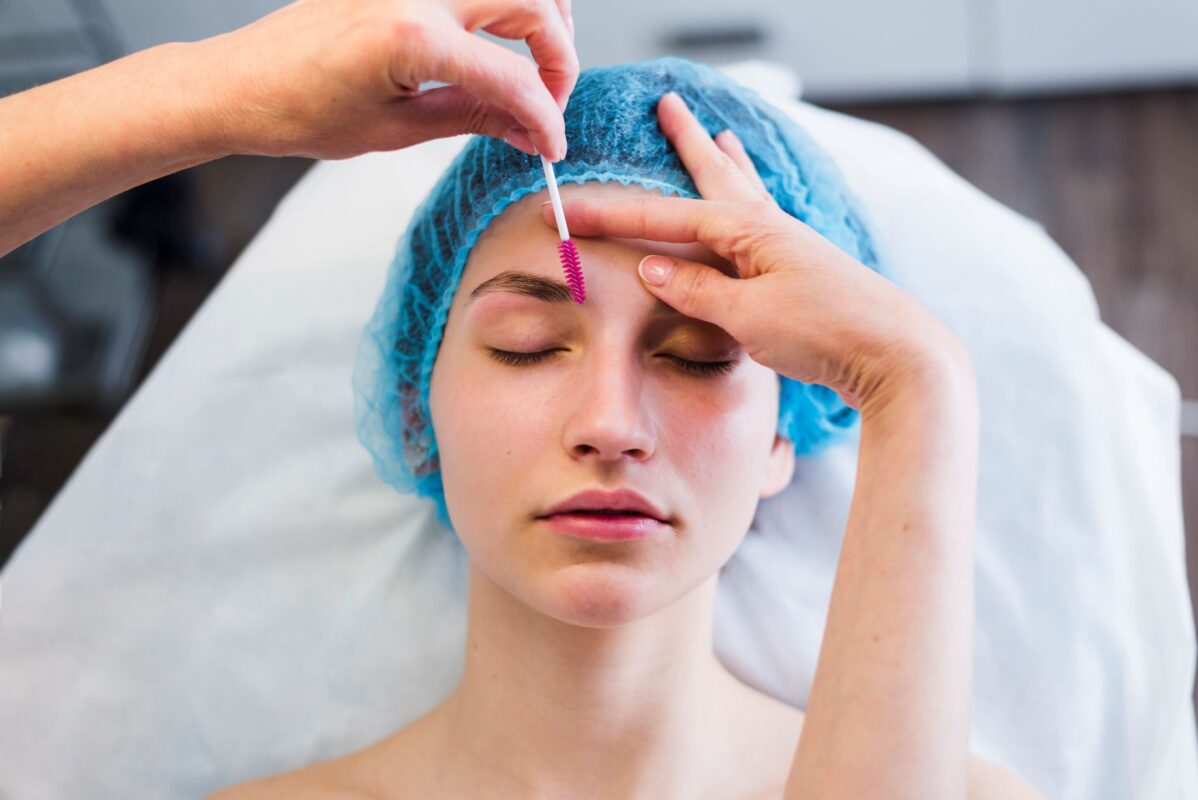
In Singapore’s humidity, skin concerns tend to compound. Excess moisture can interfere with the skin’s natural cell renewal process, and for some people, dead skin cells do not shed as they should. Instead, they harden beneath the surface into small white cysts called milia seeds.
Milia are common, persistent, and frequently mishandled. Here is what they actually are, why home removal tends to make things worse, and what professional removal involves.
What Are Milia Seeds?
Milia seeds are small, firm cysts that form just beneath the skin’s surface when dead skin cells become trapped and harden into keratin rather than shedding naturally. They appear as dome-shaped white or yellowish bumps, most commonly around the eyes, cheeks, and nose.
Unlike acne, milia do not form within a pore and have no natural opening to the surface. This is the detail that makes them different to treat, and why the instinct to squeeze them rarely works.
There are two main types:
- Primary milia form spontaneously when the skin’s natural cell turnover stalls.
- Secondary milia develop in response to external factors: prolonged sun exposure, skin trauma, or irritation from heavy skincare products.
Other classifications exist, including forms seen in newborns and a rarer clustered variety, but for most adults presenting with milia on the face, primary and secondary are the relevant categories.
Why Home Removal Tends to Backfire
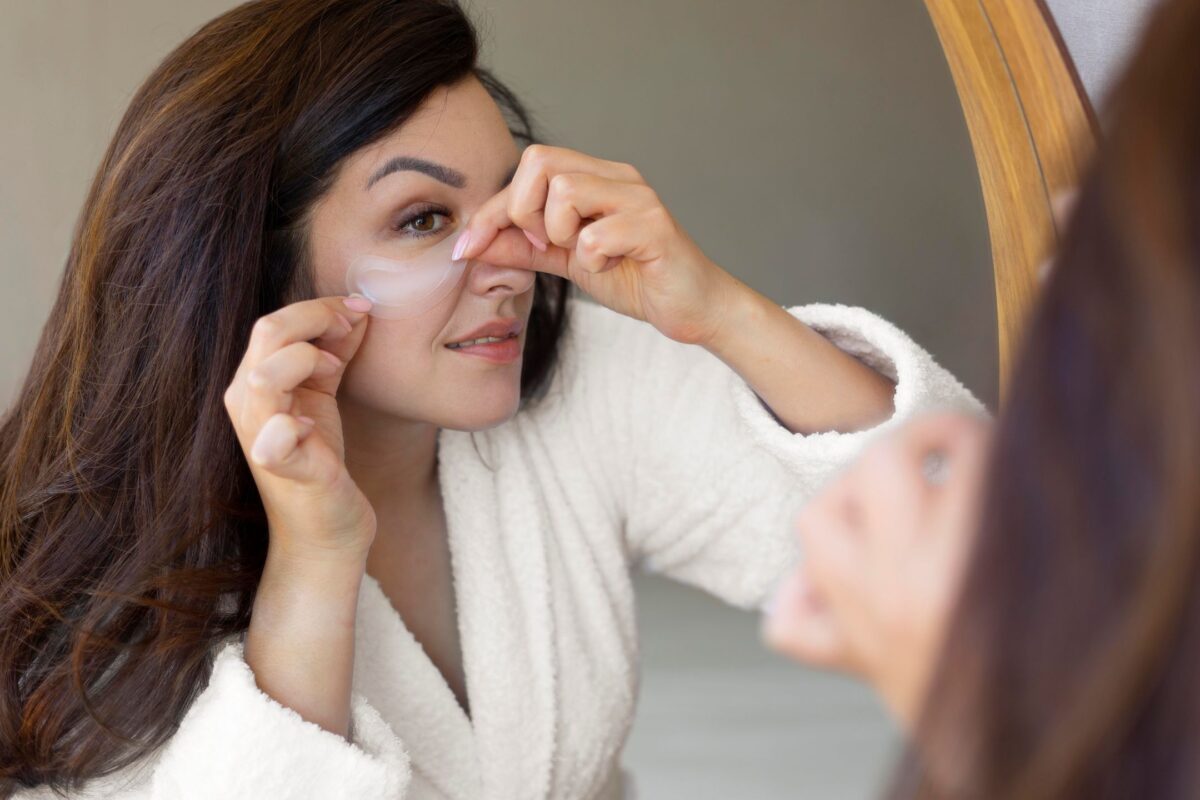
The visual similarity between milia and whiteheads is what leads most people toward DIY removal. The approach that works on a blocked pore does not work on a keratin cyst.
Squeezing is ineffective because there is no opening for the contents to exit. Pressure typically pushes the keratin deeper rather than releasing it. To access the cyst properly, the skin surface must be opened: a step that requires a sterile environment and controlled technique.
Attempting this at home introduces several risks:
- Non-sterile tools or fingers carry bacteria into the dermis, which can lead to infection or inflammation
- Aggressive trauma to the skin surface increases the likelihood of post-inflammatory hyperpigmentation or indented scarring
- The skin around the eyes is thin and particularly vulnerable, making uncontrolled pressure in that area genuinely risky
What happens if you remove milia on your own? In most cases, either nothing changes, or the skin around the cyst becomes irritated and inflamed. Can you remove a milia with a needle at home? The risk of infection and scarring from using a non-sterile household needle outweighs any potential result.
Common Misconceptions About Milia Removal
A few widely held beliefs are worth addressing directly.
- Scrubbing harder will clear them. Physical scrubs work at the surface and cannot reach trapped keratin sitting beneath intact skin. Aggressive scrubbing tends to irritate without improving the milia.
- Acne products will dry them out. Benzoyl peroxide targets bacteria and excess oil. Neither is the cause of milia, so acne-focused treatments have no meaningful effect on keratin cysts.
- Only oily skin types get milia. Dry skin types and those using heavy occlusive creams are equally susceptible. Anything that slows or blocks the natural shedding of cells can contribute.
Professional Milia Seed Removal at Monostudio
So, how to get rid of milia on the face or under the eyes? Professional methods are the more reliable route.
Coco Regen Milia Seed Removal uses plasma technology to address milia seeds at the skin’s surface. A focused plasma beam is applied to each targeted area, generating heat that breaks down the trapped keratin beneath. The treated areas form small surface dots that gradually shed as the skin renews. The same plasma technology used in Coco Regen Dark Spots Removal addresses freckles and pigmentation concerns.
The process does not involve lasers or manual extraction. It begins with a one-on-one skin consultation, where the affected areas are assessed, and a personalised removal plan is developed based on your skin type and the extent of your concern. The number of sessions required is determined at that stage.
Downtime is generally minimal. Some mild redness in the treated areas is possible. Following your session, personalised aftercare guidance is provided to support recovery and help reduce the likelihood of milia returning. A consistent routine of gentle cleansing, regular exfoliation, and daily sunscreen helps maintain the skin’s renewal process over time.
For face milia seed removal, the consultation is where the process starts. As part of our one-stop beauty services in Singapore, we offer face milia seed removal alongside other treatments such as freckle removal services. Speak with the Monostudio team to find out whether Coco Regen Milia Seed Removal is the right approach for your skin.
