WHAT ARE FRECKLES & WHY DO THEY APPEAR?
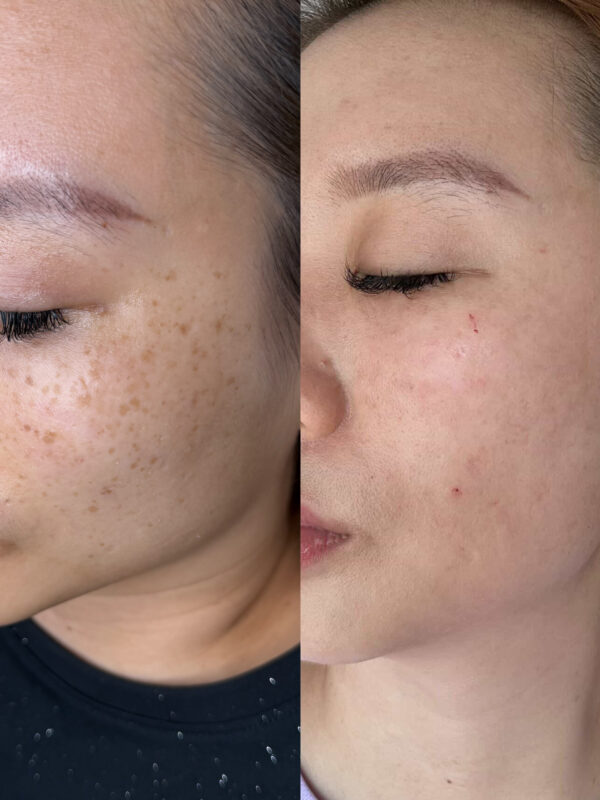
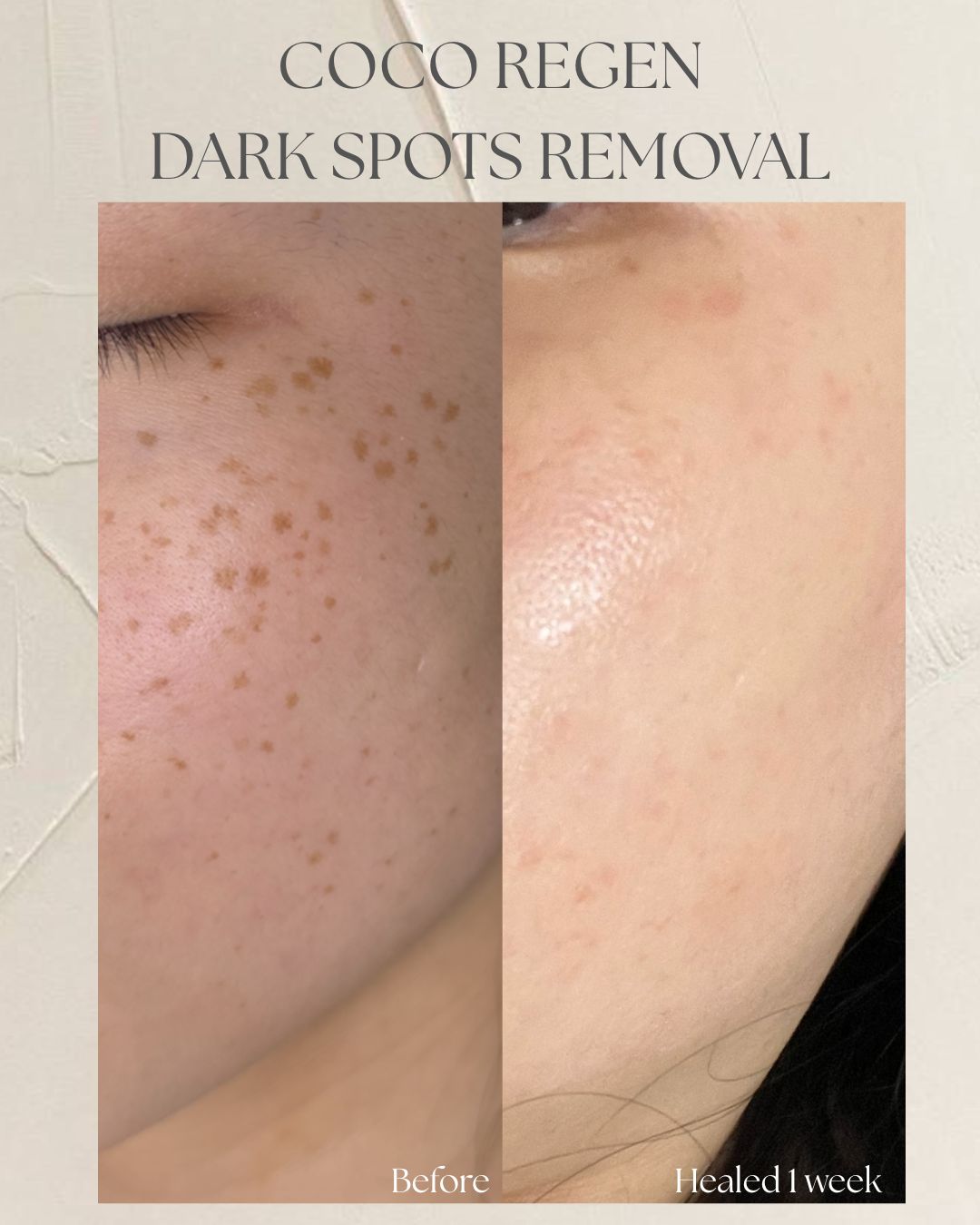
Freckles are flat spots that appear on areas of the skin exposed to sunlight, and they can range from light tan to reddish brown or deeper brown shades, depending on your skin type and tone.
They form when the skin produces extra melanin, and instead of spreading evenly across the skin, the pigment gathers in small spots. While freckles are very common and harmless, factors such as sun exposure, genetics, and skin tone can influence how visible they appear and where they develop on the face or body.
Sun-Induced Freckles (Ephelides)
Ephelides are the freckles most people recognise. They are typically small, flat spots that appear in shades of tan, red, or light brown. These freckles tend to develop in areas regularly exposed to sunlight, including the face, shoulders, arms, and upper chest.
Sun exposure plays a major role in how ephelides appear. When the skin is exposed to ultraviolet light, melanocytes increase melanin production, forming small, concentrated spots. They often first appear in childhood and may continue developing through adolescence and early adulthood.
Age Spots & Solar Lentigines
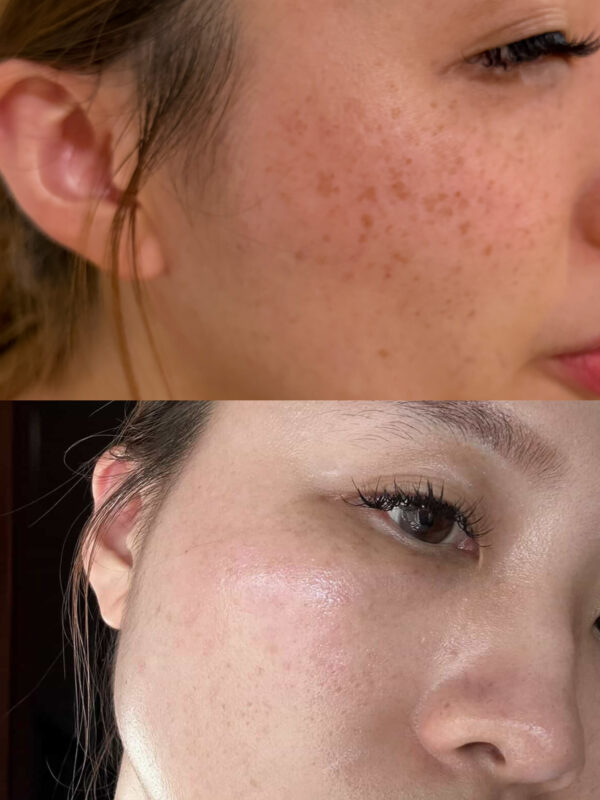
Solar lentigines, commonly called age spots, are another type of pigmentation that may resemble freckles. These spots tend to appear later in adulthood and are linked to years of sun exposure.
They are usually larger and darker than typical freckles and may range from yellowish brown to deeper brown shades. Common areas include the face, chest, shoulders, forearms, and the back of the hands, which frequently receive sunlight.