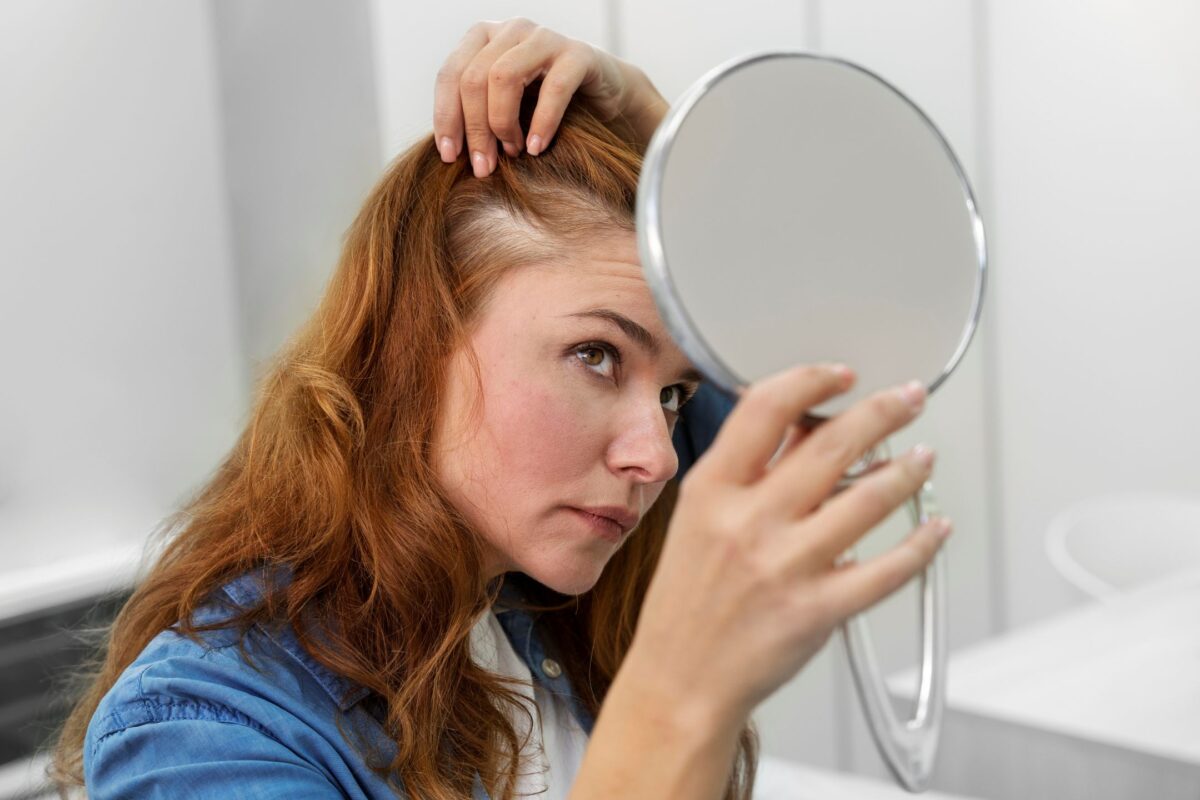
The question of whether Minoxidil and Scalp Micropigmentation (SMP) can be used together comes up often, and the answer is yes, but with caveats. Because the two approaches work on entirely different levels, combining them is not only possible but straightforward, provided the sequence is followed correctly.
This article walks through what each treatment does, where they overlap, and the practical rules for using both without one affecting the other.
What Is Minoxidil?
Minoxidil is a topical or oral treatment used to slow hair loss and encourage regrowth. It works as a vasodilator, widening blood vessels around the follicles to improve nutrient and oxygen flow to the scalp. The result, for those who respond to it, is a gradual slowing of loss and in some cases a degree of regrowth over time.
One important point: Minoxidil requires consistent use to maintain its effects. Stopping the treatment typically reverses any progress made.
When should you not use Minoxidil? It is not suitable for everyone. People with certain cardiovascular conditions, those who are pregnant, or anyone with scalp irritation or open wounds should consult a doctor before starting or continuing use.
What Is Scalp Micropigmentation?
Scalp Micropigmentation (SMP) in Singapore is a non-surgical cosmetic procedure that uses fine pigment deposits to replicate the appearance of hair follicles on the scalp. It does not grow hair. What it does is address the visible side of hair loss: thinning areas appear denser, receding hairlines look more defined, and scalp scars can be concealed effectively.
SMP is performed over multiple sessions, spaced to allow the scalp to settle between applications. It sits in the upper dermis, which is a different layer entirely from where Minoxidil’s biological activity takes place. This is why the two do not interfere with each other in principle. The practical considerations come down to timing.
Combining Minoxidil and SMP: The Protocol
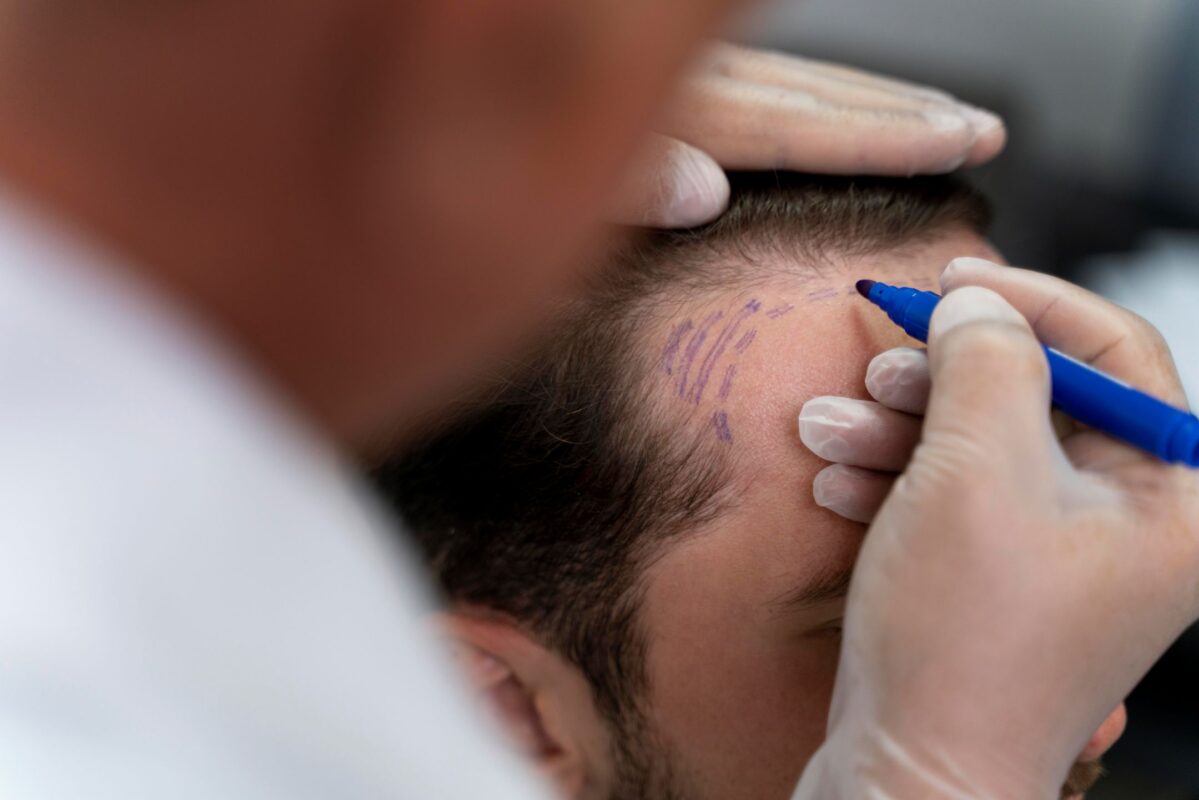
Does minoxidil cause SMP to fade? No. Because SMP and Minoxidil operate on different biological levels, using both is a reasonable approach for anyone managing active hair loss while also wanting to address its appearance. The key is following the correct sequence around your SMP sessions.
Before Your Session: Pausing Minoxidil
Stop topical Minoxidil at least 48 hours before your SMP appointment. Minoxidil increases blood flow to the scalp, and elevated circulation during the procedure can cause minor bleeding that dilutes the pigment as it is being deposited. The 48-hour pause also allows time to wash any residual alcohol from the product off the scalp before your session.
Oral Minoxidil does not carry the same concern for scalp surface preparation, though it is worth raising with your practitioner ahead of time.
After Your Session: Resuming Carefully
Wait a minimum of two weeks after your final SMP session before reintroducing topical Minoxidil. The scalp needs time to heal the micro-wounds created during the procedure. Reintroducing an alcohol-based topical too early can cause irritation, pigment fading, or blurring at the treated sites.
Oral Minoxidil can typically be resumed sooner, as it does not affect the scalp surface directly.
Application on a Treated Scalp
Once healing is complete, apply topical Minoxidil with a gentle patting motion rather than rubbing. Foam-based formulations tend to be less irritating on treated skin than liquid solutions, and are worth considering if you experience sensitivity.
What About Finasteride?
Finasteride is an oral treatment that works by blocking the hormonal pathway associated with pattern hair loss. Because it works internally, there is no need to pause it around your SMP sessions. It can be used alongside both Minoxidil and SMP without affecting the scalp surface or the pigment.
Monitoring Your Scalp
After reintroducing any topical treatment, watch for redness, prolonged irritation, or changes to the pigment. Some sensitivity in the weeks following SMP is normal. Persistent discomfort or visible changes to the treated area are worth raising with your SMP practitioner before continuing.
Is This Combination Right for You?
Hair transplants relocate follicles. Minoxidil addresses hair loss at the follicular level. Hairline restoration tattoos in Singapore address what you see. Used together, and with the right timing, they serve different purposes without working against each other.
If you are considering SMP and currently using Minoxidil, the conversation starts with your SMP practitioner. At Monostudio, every SMP consultation is tailored to your scalp and your existing routine. Speak with our team to work out the right timing for your specific situation.
Monostudio also offers a range of other treatments for skin concerns, including dark eye circle removal, as part of our broader one-stop beauty services in Singapore.
