
For many of us, navigating hair loss feels like a full-time job we never applied for. We reach a point where we are willing to do almost anything to reclaim that full-head-of-hair feeling, even if it means doubling up on procedures to get the job done right. While we all know that a hair transplant is the heavy hitter for anyone wanting to physically run their hands through real, growing strands, it sometimes needs a bit of backup. Pairing surgery with a hairline restoration tattoo can help fill in those stubborn gaps while waiting for the transplanted hair to grow out or before you even opt for the transplant, creating a complete look that is as close to perfection as it gets.
Analysing the Options: SMP vs. Hair Transplant
Nailing down the right strategy starts with knowing exactly how these two methods stack up. While SMP and hair transplants both tackle the same problem, the way they get you to that finish line involves very different commitments and physical results.
- Methodology: A hair transplant is a surgical procedure where a hair specialist relocates live, healthy follicles to your thinning areas. On the flip side, scalp micropigmentation is a non-invasive approach that uses specialised pigments to mimic the appearance of hair follicles at the surface.
- Results: Surgery gives you the real deal with actual growing hair that you can wash and style. SMP doesn’t grow new hair, but it is a master of disguise, creating a convincing illusion of density that makes a sparse scalp look fuller.
- Downtime and Upkeep: You will need to factor in a longer recovery and a “wait-and-see” period for surgical grafts to mature. SMP, on the other hand, is the fast-track option with minimal downtime, though it requires periodic touch-ups to keep the pigment from fading.
Is SMP a Viable Alternative to Surgery?
Given those differences, one might wonder if they can simply bypass the surgery altogether. While both paths lead to a more confident you, the “best” choice really depends on what you want to see in the mirror.
- The Fast-Track Choice: SMP is worth considering if you want a cost-effective, non-surgical route to the illusion of a fuller head of hair. It excels at camouflaging bald spots and scars without the high price tag or lengthy recovery of a transplant.
- The Growth Reality: It is important to remember that while pigment can hide a thinning scalp, it cannot move active follicles or fix the biological causes of hair loss. So, if your ultimate goal is to have actual hair to style, hair transplants remain the primary fix.
The Power of Synergy: Why Mix Both?
Despite SMP not being a biological cure, combining it with hair transplant offers a complete solution that delivers both actual hair growth and the visual depth of a thick, full scalp.
Maximising Density and Scalp Coverage
Since surgery is often limited by your available donor hair, it might not always achieve your dream thickness. SMP effectively fills the gaps between transplanted grafts, reducing scalp contrast and potentially making your hair look more voluminous than grafts alone could provide.
Effective Scar Camouflage
At times, surgical procedures, like FUT methods, can leave behind tell-tale donor site scars. SMP can work to conceal these marks, using strategic pigment deposits to blend FUE “dot” scars or linear lines into the surrounding hair for an almost seamless, undetectable finish.
Refining the Hairline Definition
While a transplant builds the physical foundation of your new look, SMP provides the detailed work. It can help create a defined, realistic hairline, subtly filling in the edges to complement your surgical results and ensure the transition looks natural.
Solutions for Diffused Thinning
If you are dealing with extensive hair loss and have limited donor hair, a full transplant might feel out of reach. However, combining a smaller surgery with something like SMP can create a convincing illusion of a full head of hair that neither procedure could achieve on its own.
Timing the Transformation: Should You Get SMP Before or After?
Say you have decided to take the plunge with both options; the next move is figuring out the most effective order to ensure a flawless final result. Can you get a hair transplant on top of an SMP? Or should you get an SMP before a hair transplant?
Opting for SMP Following a Hair Transplant
For most people, the logical path is getting micropigmentation after hair transplant surgery to add that final layer of depth. If that is what you are looking for, this approach allows the newly transplanted hair to settle in before you add the cosmetic finish that ties everything together.
- The Waiting Game: You cannot rush this part. It is vital to wait roughly up to a year after your hair transplant. This ensures your scalp has fully recovered and your new grafts have matured enough to handle the pigment application.
- Final Touches: Once you are healed from the transplant, SMP can come in to address any minor imperfections, add a sense of depth to lower-graft areas where the scalp is still visible, and mask any donor-site scarring from the initial procedure.
Starting with SMP Prior to a Hair Transplant
While it makes sense to wait until after the transplant, opting for SMP first can also be a smart move for those wanting to tackle thinning, without dealing with the hair’s natural growth cycle. This sequence allows you to walk around with a fuller-looking scalp while you plan your hair transplant journey.
- Immediate Gratification: Getting SMP first provides an instant boost in visual density. You won’t have to wait months for grafts to grow just to see a difference in your reflection.
- Zero Interference: Rest easy knowing that pigment won’t mess with your future surgery. Since the pigment only goes in the shallow dermal layer of the scalp, it doesn’t block blood flow or impact your eligibility for grafts.
- The Prep Period: If you choose this route, wait for a couple of months after your final SMP session before undergoing your transplant to ensure the skin is settled.
Crucial Success Factors for Combined Treatments
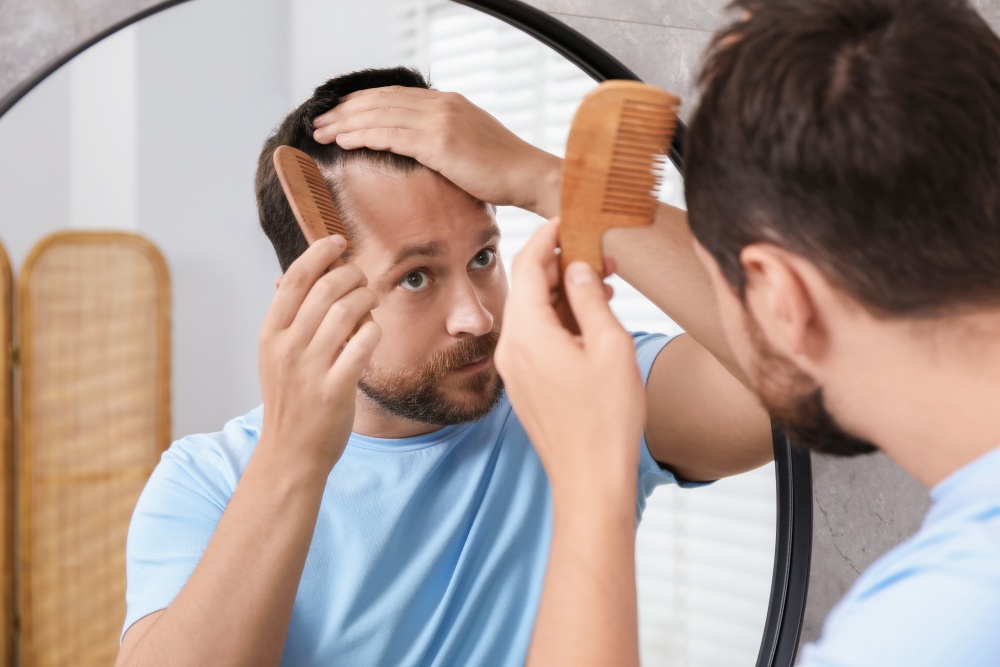
Regardless of the order you choose, pulling off this dual-option journey requires more than just showing up to your appointments. To ensure your investment pays off, you need to navigate the recovery phase with a bit of strategy.
- Provider Coordination: It is essential that your specialists align on the game plan. Ensuring that pigment shades and graft placements work in total harmony prevents any awkward contrast between your real hair and the cosmetic work.
- Patience with Healing: You have to let nature take its course. Attempting to camouflage surgical scars before they have matured can potentially lead to poor pigment retention and a less-than-perfect finish.
Why Your Choice of SMP Practitioner is Everything
Navigating a transplant site requires a much higher level of expertise than standard pigment work. Your SMP artist must possess the specific skill to match tones perfectly to your natural hair while working around delicate transplanted follicles without causing damage. Therefore, choosing an expert ensures you avoid blocky, fake-looking hairlines, delivering instead a realistic finish that mirrors your surgical results.
Ready to transform your look? Book your consultation at Monostudio, a one-stop beauty service provider in Singapore, and let our team craft the perfect, high-density finish you deserve!
