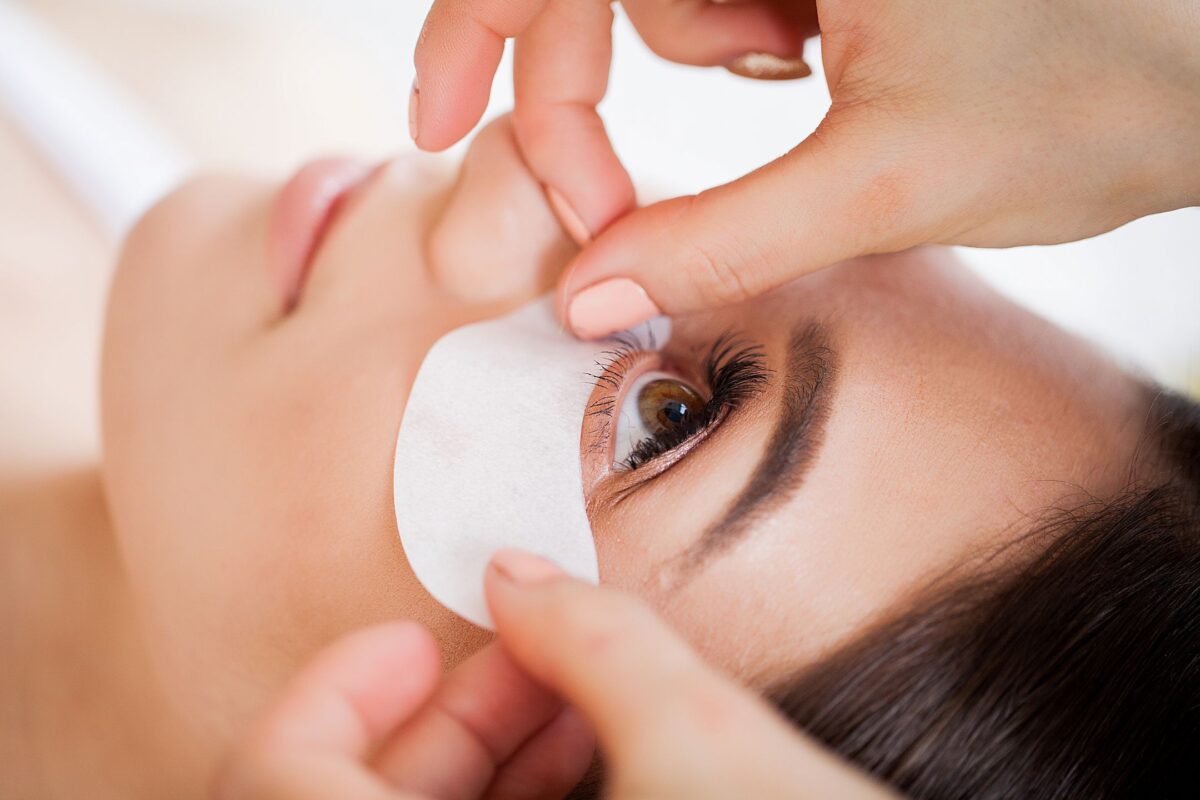
Under-eye darkness is one of those concerns that sits just outside the reach of most skincare. Topical products can brighten the surface, but the pigmentation or vascular changes sitting deeper in the skin tend to stay put.
For those who have spent years working around it with concealer, the idea of a more lasting solution is worth understanding properly. This article covers how the technique works, what it can and cannot address, who it suits, and what to consider before booking.
Defining the Under-Eye Concealer Tattoo
In Singapore, the term “under-eye concealer tattoo” refers to a semi-permanent makeup technique that deposits skin-toned pigment in the under-eye area to reduce the appearance of darkness. Rather than covering the skin from the outside, the pigment sits within it, creating a built-in concealer effect that does not transfer or crease.
At Monostudio, this is performed using Skin Colour Reconstruction (SCR): a soft tattooing method that deposits pigment into the upper layers of the skin to address concerns with dark eye circles. The goal is a dark eye removal service that brings the under-eye tone closer to the surrounding skin, making the area appear more even and rested.
How the Procedure Works
Before the session begins, an AI-assisted device captures your skin tone to guide pigment selection. Pigments are then selected and mixed from a range of 52 shades to closely match the skin around the eye.
The technique is designed to work within the delicate tissue of the under-eye area, with pigment depth kept shallow to reduce the risk of skin texture changes over time. It shares the same foundational logic as eyebrow embroidery or lip blush, though the under-eye area requires a lighter touch, given how thin the skin is there.
What the Procedure Addresses
The primary focus of SCR for dark circles is to reduce the visibility of under-eye darkness and help the area appear more evenly toned.
Types of Darkness and Skin Concerns
Dark circles are not all the same, and identifying the type matters before any procedure. The main categories are:
- Pigmented: caused by excess melanin in the skin
- Vascular: where visible blood vessels create a bluish or purplish tint
- Structural: shadows produced by hollowness or the natural contour of the eye socket
- Mixed-type: a combination of the above
SCR can help address under-eye darkness by evening the skin tone over those areas. Structural darkness, which is caused by physical hollowness rather than colour, responds differently and is worth discussing at consultation.
Who Is a Good Candidate for SCR

SCR for dark circles tends to work well for those with hereditary dark circles that have not responded to topical skincare or lifestyle changes, and for people looking to reduce daily reliance on heavy concealer and setting powder. If the concern is consistent, the individual is likely a better candidate for a pigment-based approach than a skincare-based one.
It also suits those who find traditional makeup difficult to maintain: people with sensitive skin who react to most eye concealers, athletes and outdoor enthusiasts whose makeup does not survive a training session, and anyone whose lifestyle makes a low-maintenance routine a practical necessity rather than a preference.
Risks and Considerations
SCR for the under-eye area carries risks that are worth understanding before committing.
- Lumpy or Uneven Skin Texture: The skin beneath the eye is among the thinnest on the face. Larger pigment molecules, including those containing titanium dioxide, can potentially cause a lumpy or uneven texture in this area over time. This is a known consideration with concealer tattoo techniques generally, not specific to any one studio.
- Colour Shifting: As the skin ages or changes with sun exposure, the fixed pigment may no longer match the surrounding tone.
- Allergic Reactions: Responses can include persistent itching, bumps, or inflammation. A mandatory patch test is conducted at least 24 hours before any session to check for sensitivities to the specific pigments being used.
- Correction and Removal Complications: Titanium-based inks can react poorly to laser, potentially shifting darker rather than lighter, which makes any future correction significantly more difficult.
Sessions and Longevity
Three to four sessions are typically recommended to build the concealer effect gradually and allow the skin to settle between applications. Results from a completed course can last up to 1.5 years, though this varies depending on individual skin type, sun exposure, and aftercare. Periodic touch-ups help maintain the appearance over time.
Before You Book
A patch test is conducted before the first session to rule out pigment sensitivities. This is not optional.
Aftercare in the first 72 hours focuses on cold compresses to manage swelling, followed by dermal restoration ointment and strict sun avoidance during the healing phase. Skipping aftercare steps affects how the pigment settles and how the skin heals.
If you have chronic dark circles and want to understand whether SCR is appropriate for your skin type and the kind of darkness you have, our team at Monostudio can walk you through what the treatment involves and what realistic outcomes look like for your specific concerns. Visit our beauty skin studio at Boat Quay or book a consultation to start the conversation.
