Eyebrow embroidery has moved well beyond the heavily filled brow styles it was once known for.
Today, eyebrow embroidery ranges from fine hair strokes to diffused shading, with techniques such as microblading, feathering, ombre, misty and combination brows creating noticeably different results. Some mimic individual brow hairs, while others add colour and definition to sparse areas.
The style you like is a good starting point, but the techniques are not interchangeable. They differ in how the pigment is applied, the effect they create and how well they work with different skin types and natural brow densities.
What Are the 5 Types of Eyebrow Embroidery
Microblading, feathering, ombre, misty and combination brows each create a different kind of definition. While the names can vary slightly between studios, particularly for misty and ombre brows, the main difference is whether the brow is created with hair-like strokes, shading or a mix of both.
- Microblading: A manual tool creates fine, hair-like strokes in the upper layers of the skin. Each stroke is placed to resemble an individual brow hair, making microblading popular with those who want visible strand-like detail. It generally works best on normal to dry skin.
- Feathering: Feathering also uses hair-like strokes, but the emphasis is on following the direction of the natural brow hairs and filling selected gaps. This way, the brow keeps more visible texture rather than appearing heavily outlined.
- Ombre Eyebrow Embroidery: Pigment is deposited using a machine, with lighter colour toward the front of the brow and greater intensity through the arch and tail. The effect is similar to brows filled in with powder or pencil.
- Misty Eyebrow Embroidery: Fine dots of pigment create a light, diffused layer of colour across the brow rather than individual hair strokes. Some studios use “misty” and “ombre” interchangeably, although misty brows are often associated with a more dispersed look.
- Combination or Hybrid Brows: Hair strokes and machine shading are used together. The strokes mimic individual brow hairs, while the shading fills in sparse areas and gives the brow a fuller, more even appearance. This can work well for brows that need both hair-like detail and added density.
The visual difference between these styles is only half the decision. How your skin responds to pigment can narrow the options further.
Choosing the Right Technique for Your Skin Type
Oil production and skin texture can affect how well pigment holds and how the brows look once healed.
- Oily skin: Very fine microblading strokes can lose definition or blur more quickly. Ombre and misty techniques are often better suited because they rely on shading rather than maintaining lots of individual lines.
- Normal or dry skin: Microblading, feathering, misty, ombre and combination brows may all be options, leaving more room to choose based on the look you prefer.
- Mature skin: Very fine strokes may lose some definition after healing. Misty or ombre shading can create more even colour across the brow without relying on individual hair-like strokes.
Natural brow density matters too. If you already have plenty of brow hair with only a few visible gaps, feathering can add detail where it is missing without changing the overall brow. Misty embroidery can work well when the hairs are present, but the brow still looks uneven or sparse in places.
Very sparse brows may need more coverage. Combination brows can add hair-like strokes where needed while shading areas that would otherwise look empty.
Whichever technique you choose, the pigment shade matters just as much as the placement. It should complement your natural brow hairs, hair colour and complexion. Going darker does not necessarily create better definition; if the shade is too deep, the brows can overpower the face. A closer match usually blends more naturally with the hairs already there.
Natural-Looking Results: Feathering and Misty Compared
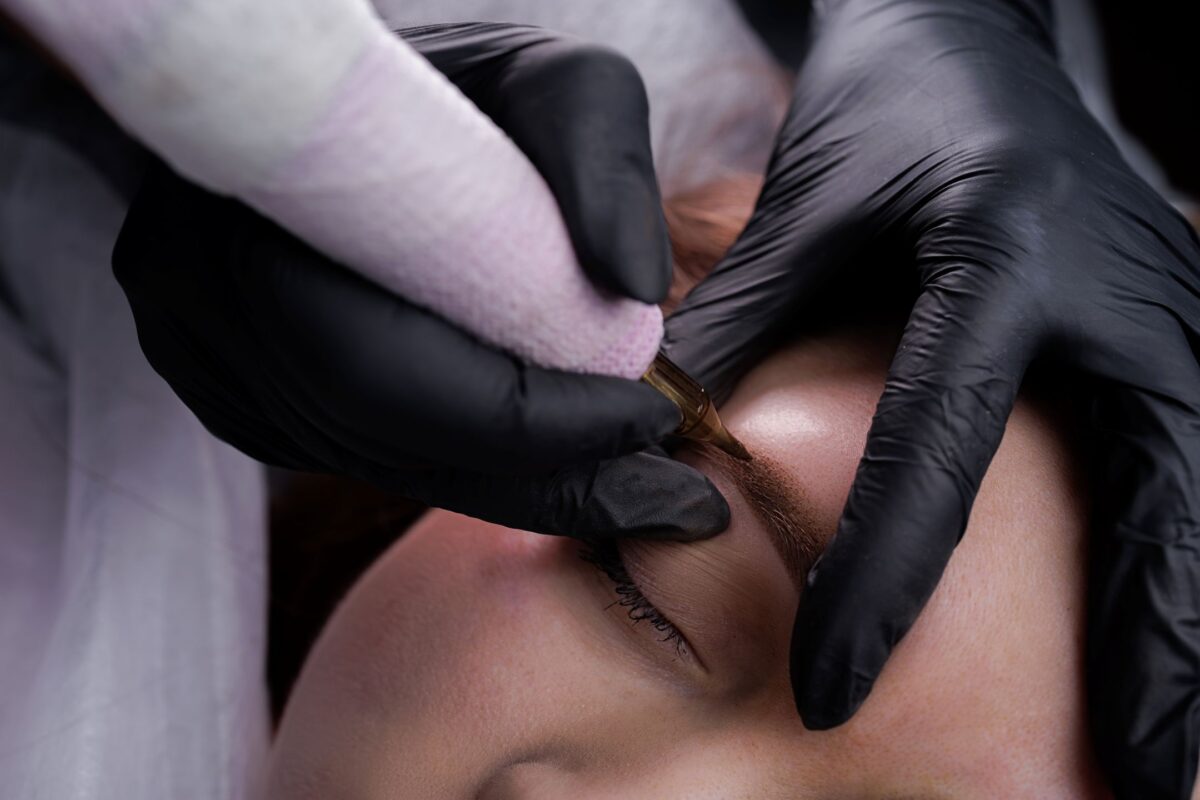
Feathering and misty brows are both popular for people looking for a more natural-looking eyebrow beauty procedure, but they create that effect differently.
| Feathering | Misty | |
| Technique | Fine strokes follow natural brow hairs | Fine pigment dots are distributed across the brow |
| Look | Hair-like and textured | Lightly shaded and diffused |
| Best suited to | Brows with existing hairs and small gaps | Brows needing more even colour and density |
| Skin type | Best on normal to dry skin | Often better suited to oily skin |
| Main advantage | Mimics individual brow hairs | Adds fullness without a block of colour |
| Main limitation | Strokes may blur faster on oily skin | Does not recreate individual hairs |
The easiest way to tell them apart is to look at what creates the fullness.
With feathering, individual strokes are placed between the natural brow hairs to fill small gaps. It is particularly useful when the brow already has a decent amount of hair but needs a few sparse sections filled.
Misty embroidery uses colour instead. The fine dots of pigment create an even backdrop beneath the natural hairs, making gaps less obvious without trying to imitate every strand.
If you want to keep the look of individual brow hairs, feathering may suit you better. If you prefer a more evenly filled brow, misty embroidery may be a better fit.
Choosing an Eyebrow Embroidery Style That Suits You
The best eyebrow embroidery style is not determined by trends alone. Your natural brow density, skin type and facial features all affect which technique is likely to suit you best. Some people want to see every hair-like stroke. Others would happily retire the brow pencil and wake up with more even colour already in place.
At Monostudio’s beauty skin studio in Boat Quay, our brow artists assess your natural brows, facial features and preferred style before recommending an eyebrow embroidery option and pigment shade.
For those considering other eye-area services, Monostudio also offers lash lifting in Singapore alongside our brow services.
Book a consultation with us to find the eyebrow embroidery style and pigment shade that best suit you.
